
You have the preservation box. Now, where does it actually go?
Not the attic. Not the basement. Probably not the closet you were planning on, either. Temperature swings, humidity, and light exposure can all compromise a preserved dress over time, and the right storage conditions are more specific than most people realize.
Here's what you need to know before you put that box anywhere.
Why Storage Conditions Matter as Much as the Preservation Itself
Think of wedding dress preservation the way you'd think of a vaccine. It protects against known threats, stains, and oxidizing sugars from champagne, but it can't protect against everything the environment throws at it afterwards. That part is on you.
What Preservation Actually Does and What It Doesn't Prevent
Professional preservation removes visible and invisible stains, neutralizes acidic residues that cause yellowing, and packages the dress in acid-free materials to slow oxidation. What it does not do: protect the fabric from heat damage, moisture intrusion, UV exposure, or the long-term effects of being stored in the wrong container.
Once the box is sealed, the dress enters a kind of controlled pause. Your job is to make sure the storage environment doesn't unpause the degradation process.
The Most Common Reasons Preserved Dresses Turn Yellow or Degrade Over Time
Most post-preservation damage comes from just a few sources:
- Heat: Elevated temperatures cause silk proteins to break down and discolor. Natural fabrics are especially vulnerable.
- Humidity: Moisture encourages mold and mildew growth, particularly on silk and satin. It also weakens fabric fibers over time.
- Light exposure: UV rays, even indirect sunlight through a window, fade dye and degrade delicate fabric.
- Acidic materials: Cardboard boxes, plastic bags, and non-archival tissue can off-gas acids that transfer directly to the fabric.
These aren't rare edge cases. They're the most common reasons a "preserved" dress shows up looking aged.
The Right Temperature and Humidity Range for Long-Term Dress Storage
Ideal Temperature Range and Why Fluctuation Is the Real Problem
Target: 60–75°F (15–24°C), consistently.
A space that holds steady at 70°F is far safer than one that swings between 65°F in winter and 95°F in July. Temperature fluctuations cause fabric fibers to expand and contract repeatedly, a mechanical stress that accelerates breakdown even when average temperatures seem acceptable.
Attics, garages, and storage units without climate control are the worst offenders here. Rochester summers can push attic temperatures well above 100°F. That's not a storage environment. That's an oven.
Humidity Levels That Protect vs. Humidity Levels That Destroy
Target: 45–55% relative humidity.
- Below 40% RH: The air is too dry. Fabric becomes brittle, and natural fibers such as silk lose elasticity and begin to crack.
- Above 60% RH: The air is too humid. This creates conditions for mold and mildew growth, particularly on natural fabrics. Even a sealed box won't fully protect against ambient moisture if it's high enough.
A basic hygrometer, available for under $15 at most hardware stores, lets you monitor humidity in any room. If your storage space runs high, a small dehumidifier or silica gel packet inside the box helps stabilize the microenvironment. If it runs dry, a humidifier in the room is the right fix.
Choosing the Right Storage Container and Materials
The box and tissue your dress lives in aren't just packaging. They're the first line of defense against acidic exposure and physical damage. Here's exactly what to look for, and what to avoid.
Acid-Free Boxes vs. Garment Bags: Which Is Better?
For long-term storage, an acid-free, lignin-free box is the gold standard, especially for dresses stored flat or lightly folded. The box keeps out light, limits air exposure, and (if high quality) maintains a stable microenvironment.
Garment bags are acceptable for short-to-medium storage (a year or two), but they must be breathable. Look for cotton or muslin bags. Never use a plastic garment bag for anything longer than a few days; plastic traps moisture and off-gases chemicals that will transfer to the fabric.
How to Use Acid-Free Tissue Correctly When Folding the Dress
Tissue isn't optional padding. It prevents crease lines from setting permanently and stops embellishments from abrading adjacent fabric.
Here's how to do it right:
- 1. Lay the dress flat on a clean, dry surface.
- 2. Begin folding loosely; tight folds set permanent crease lines.
- 3. Place a sheet of acid-free tissue at every fold, between every layer.
- 4. For beading or embroidery, use extra tissue to keep embellishments from pressing against fabric.
- 5. Place the folded dress in the box and add a top layer of tissue before closing.
Loose folds with tissue at each crease give the fabric breathing room and prevent stress points from forming.
Why Plastic Bags and Cedar-Lined Spaces Are Risks, Not Solutions
Two "protective" storage options that actually cause damage:
- Plastic bags: Trap moisture and create a humid microclimate inside the bag. They also off-gas as they age, releasing chemicals that discolor fabric. Not for a week. Not for a month. Not ever.
- Cedar-lined closets and cedar blocks: Cedar repels insects effectively, but its natural oils can migrate into delicate fabrics and leave permanent staining over time. For a dress you're storing for decades, the insect risk is low; the oil migration risk is real.
If pest protection is a concern, an acid-free box with a sealed lid is your best defense, no cedar required.
Where in Your Home to Store the Dress (and Where Not To)
Now that you know the conditions you're targeting, let's translate that into actual spaces inside a typical home.
Spaces That Typically Work: Climate-Controlled Closets and Interior Bedrooms
Interior rooms maintain more consistent temperature and humidity than any space adjacent to an exterior wall. An interior master closet, especially one on an upper shelf away from the floor, is often the best option in a typical Rochester home.
What to look for:
- Consistent temperature (not near HVAC vents that blow directly on the box)
- No direct light exposure
- Not on the floor (where humidity tends to concentrate and flooding risk is highest)
- Away from perfumes, cleaning products, or anything with strong chemical vapors
Spaces to Avoid:
Each of these common options fails on at least one critical condition:
- Attics: Extreme heat in summer, often freezing in winter. Temperature swings are severe. This is the single worst place to store a wedding dress.
- Basements: High humidity, especially during Rochester's wet spring months. Prone to flooding. Mold risk is significant.
- Garages: Uncontrolled temperature and humidity. Exposed to vehicle fumes and outdoor pollutants.
- Exterior-wall closets: These closets swing with outdoor temperatures. They may seem climate-controlled because they're inside the house, but wall proximity means thermal transfer is a real issue.
If none of your available storage meets these conditions, a professional long-term storage service is worth considering.
How Often to Check the Dress and What to Look For
Storage isn't "set it and forget it." One annual inspection keeps small problems from becoming permanent, and it doesn't require unwrapping the whole box every time.
Annual Inspection Checklist: What to Check Without Fully Unwrapping
Once a year, do this:
- 1. Check the exterior of the box for water staining, warping, or any sign of moisture intrusion.
- 2. Inspect the box for pest evidence, small holes, droppings, or damage to the corners.
- 3. Open the box lid and examine the top layer of tissue without disturbing the dress. Look for yellowing, spots, or unusual odors.
- 4. Check the room's humidity and temperature with your hygrometer to confirm conditions are still within range.
- 5. If the box has a window or viewing panel, check the visible fabric for any color change.
Full unwrapping should happen no more than every three to five years. Every time the dress is exposed to open air and light, you introduce variables the sealed environment was designed to eliminate. Do it intentionally, not casually.
If you notice yellowing, odor, or visible changes to the fabric during any inspection, consult a professional cleaner, not a DIY solution. Some changes are reversible early; all of them are harder to address the longer they're left.
Still Figuring Out Long-Term Storage? Ask Julian's Dry Cleaners Before You Seal That Box
Knowing the right conditions is one thing, applying them to your specific wedding dress and home is another. A silk ballgown with heavy beading stores differently than a chiffon dress, and Rochester summers make location choices matter more than most people realize.
At Julian's Dry Cleaners, Wedding Dress Cleaning and Preservation Service doesn't stop at the box. We inspect, clean, and package your dress with care, then make sure you know exactly how to protect it from there. We also offer FREE Pickup and Delivery Service, so getting started is easier than you think.
Contact Julian's Dry Cleaners:
📧 Email: info@juliansdrycleaners.com
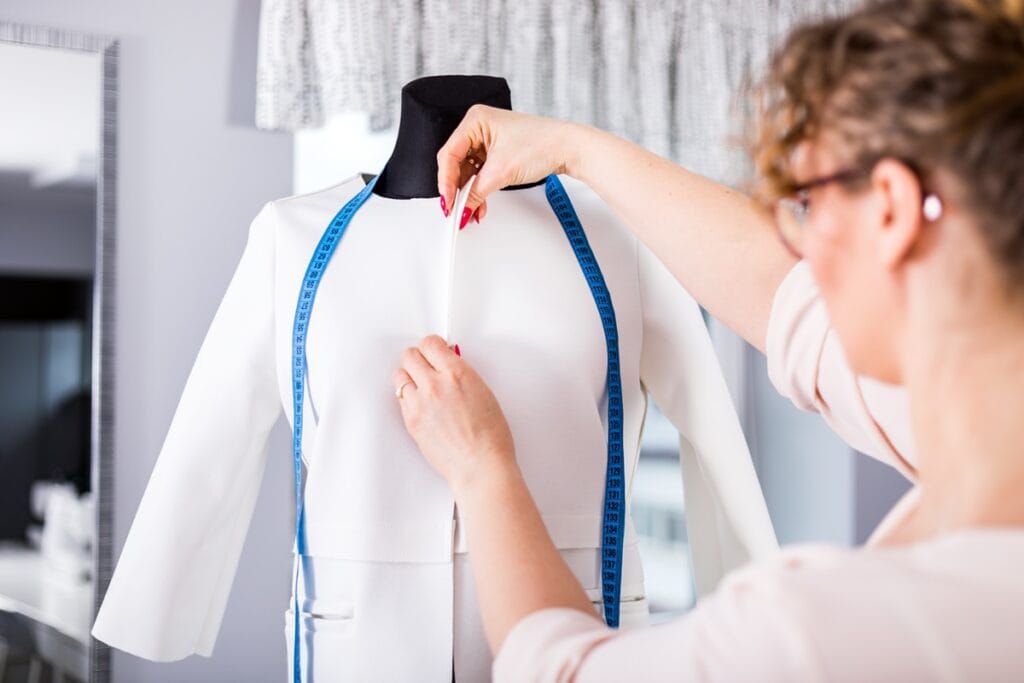
Every year, the U.S. generates over 11 million tons of textile waste, which is nearly 10% of the global total. That means mountains of perfectly wearable clothes end up in landfills, not because they’re ruined, but because they’re a size too big, a style slightly off, or a little out of date. It's an eye-opening fact, especially when many of these garments could have easily been repaired, tailored, or creatively repurposed. It’s a small act with a big impact.
How about you? Do you know of any other sustainable benefits of altering clothes? Let’s take a closer look at how simple alterations not only extend the life of your wardrobe but also support a more mindful, waste-reducing approach to fashion.
01 | Alterations Extend the Life of Clothing
When clothes don’t fit quite right or show minor wear, many people think the only option is to replace them. But a small alteration, like taking in a waist or shortening a hem, can make that item just as good as, if not better than, new.
By making minor changes to accommodate shifting sizes or style preferences, alterations help you get more wear from the garments you already own. That’s a core principle of sustainable fashion: keeping clothes in use for as long as possible.
Here’s how alterations help your clothes last longer:
- Fit updates: Clothing that’s too loose, tight, or long often ends up unworn. A tailor can adjust measurements so the piece feels made for you, encouraging you to wear it again.
- Style refreshes: A dated blazer or dress can be modernized with subtle tweaks like tapering sleeves, adjusting shoulder pads, or reshaping the neckline.
- Reinforcements: Weak seams, thinning fabric at stress points, and worn-out elastic bands all can be reinforced by a professional before the damage becomes irreversible.
02 | Alterations Reduce Textile Waste
Every year, millions of garments are discarded due to minor issues like busted zippers or poor fit. Instead of throwing them away, alterations make it possible to fix and continue using those items. This directly reduces the volume of clothing waste that ends up in landfills, a major goal of the sustainable fashion movement. Even a small decision to repair a favorite pair of trousers can contribute to meaningful environmental change.
Practical ways alterations cut down on waste:
- Quick repairs: A loose button, broken zipper, or ripped seam doesn’t have to mean the end of a garment. Tailors can easily fix these with minimal material use.
- Size adjustments: Outgrowing a shirt or shrinking out of pants shouldn’t mean tossing them; resizing gives those items a second life.
- Custom tailoring of hand-me-downs: Instead of getting rid of clothes passed down from family or friends, have them altered to fit you comfortably.
03 | Alterations Help You Reuse Special Occasion Outfits
You may have bought a dress or suit for a single wedding, prom, or formal event, and then let it sit unused for years. Alterations make it easier to restyle and re-wear those special pieces, so they don’t collect dust or get tossed. Whether it’s a bridesmaid dress or a three-piece suit, a good tailor can make it look and feel brand new for another occasion.
Here are some smart ways to reuse formalwear through alterations:
- Re-cutting for different events: A full-length gown can be shortened into a cocktail dress, or sleeves can be removed for a more casual version.
- Fit customization: Body shapes change. A tailor can reshape the bust, waist, or hips of formalwear so it suits your current measurements.
- Suit modernizations: Tailoring can update the cut of a jacket, taper pant legs, or reline the interior to match current trends while preserving the structure of your suit.
04 | Alterations Prevent Overconsumption
Fast fashion encourages constant buying, but a lot of that shopping happens because people think they need something new when they really just need a better fit. By choosing to alter what you already have, you actively choose to consume less. This reduces the demand for new production, which helps lower the environmental impact of the fashion industry over all.
Why opting for tailoring leads to smarter wardrobe habits:
- You buy less on impulse: When you know your clothes can be adjusted to fit better, you’re less likely to replace them prematurely.
- You take better care of your wardrobe: People who invest in alterations are more likely to value and maintain their clothes properly.
- You resist wasteful fashion trends: Altering classic staples to fit better helps you rely on timeless pieces rather than trend-driven items that wear out quickly.
05 | Alterations Make Secondhand Shopping Easier
One of the biggest barriers to secondhand shopping is finding clothes that fit correctly off the rack. But when you know a tailor can easily fix a hem or resize a waistband, secondhand clothing becomes a much more attractive and sustainable option. With a few simple tweaks, you can turn a thrift-store gem into your next favorite outfit.
Here’s how tailoring supports a secondhand-first mindset:
- Freedom to choose based on potential: You don’t have to pass on a great find just because it’s a size too big or too long - tailors can fix that.
- Easy access to same-day seamstress services: In many areas, tailors offer quick turnaround, so you don’t have to wait long to wear your updated piece.
- Encouragement to explore unique styles: Alterations open the door to vintage and one-of-a-kind items that can be adapted to suit your taste and fit perfectly.
06 | Alterations Preserve Sentimental or High-quality Pieces
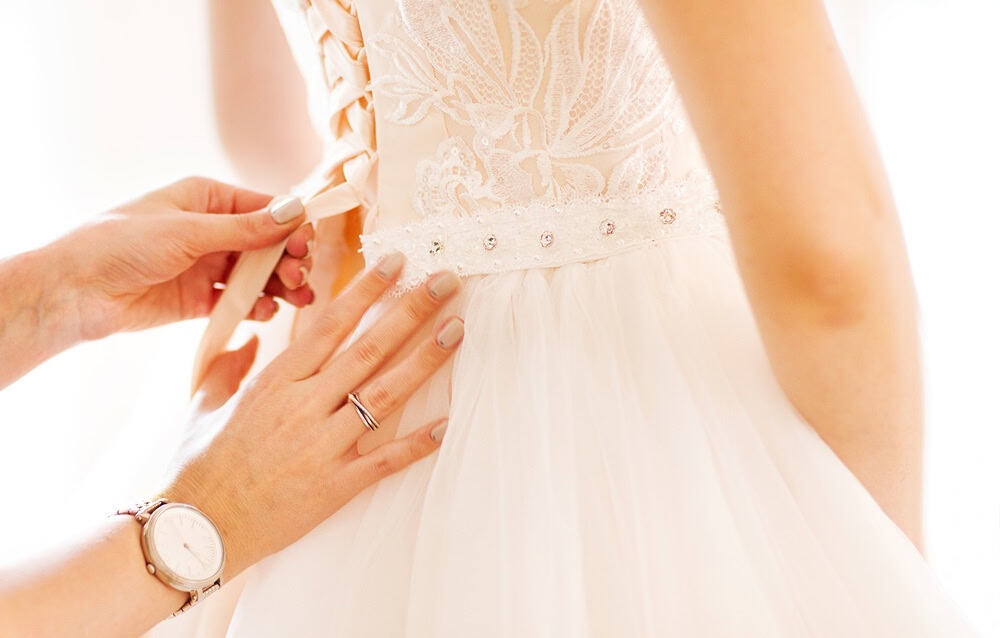
Sometimes clothing is tied to memories or made of rare, high-end materials. Alterations help preserve and adapt these pieces without affecting their original craftsmanship. Whether it’s your grandfather’s suit or a designer blouse that no longer fits, tailoring gives you the chance to keep those garments in your rotation and honor their value.
Here’s how tailoring helps protect what matters most:
- Memory preservation: A wedding dress, prom gown, or even a graduation suit can be carefully tailored to remain wearable for anniversaries, vow renewals, or passed down to the next generation.
- Premium fabric conservation: Fine fabrics like silk, cashmere, or wool are expensive and environmentally intensive to produce; altering them extends their usefulness and keeps them out of landfills.
- Custom transformations: Skilled tailors can turn one beloved garment into something new, like converting a vintage dress into a modern top or a family suit into a tailored vest.
07 | Alterations Support Local, Low-waste Craftsmanship
By choosing a local tailor shop or alteration service near you, you help sustain small businesses that practice low-waste methods. Unlike mass production in fast fashion, tailoring is inherently sustainable. It uses existing garments, avoids bulk manufacturing, and relies on skilled labor. Supporting this local ecosystem not only benefits your wardrobe but also contributes to a more sustainable economy.
Ways tailoring promotes responsible, community-driven fashion:
- Low-waste approach: Alteration shops use minimal materials and tools, creating very little waste compared to factory garment production.
- Community engagement: You build relationships with professionals in your area, like a tailor in your area who takes pride in preserving quality garments.
- Sustainable partnerships: Many alteration businesses collaborate with eco-friendly dry cleaners and fabric suppliers, creating a green loop that benefits your closet and the environment.
Make Your Clothes More Sustainable! Tailor What You Love with Julian’s Dry Cleaners.
You don’t just save money, you also make a conscious choice to reduce waste and invest in quality. At your fitting appointment at Julian’s Dry Cleaners, expect a detailed consultation where we discuss your needs, followed by expert garment pinning, precise measurements, and tailor recommendations to ensure the best possible fit. Whether you alter a suit for a formal event or customize everyday wear, our experienced team brings true sewing craftsmanship to every stitch.
Call us, book online, or visit any of our seven Julian's Dry Cleaners convenient locations to schedule your appointment today. Sustainable style starts with one simple step, and we’re here to make it effortless.